
Sneakers are not just footwear. A single limited-edition drop can shift what entire streetwear collections look like, what influencers wear, and what sells out in minutes. Most people treat kicks as accessories, but that framing misses the point entirely. Sneakers are often the starting point, the cultural signal that sets the tone for everything else in an outfit and, sometimes, an entire season. This article breaks down where the sneaker-streetwear connection began, how the two continue to shape each other, why community keeps it alive, and what the business of hype actually looks like from the inside.
Table of Contents
- The origins: How streetwear and sneakers first connected
- Mutual influence: How kicks and clothing shape each other
- Culture and community: The social side of sneaker-streetwear fusion
- Retail and the business of hype: How brands fuel the intersection
- Perspective: Most people overlook the deeper meaning of sneaker-streetwear synergy
- Shop the latest at the streetwear-sneaker crossroads
- Frequently asked questions
Key Takeaways
| Point | Details |
|---|---|
| Deep cultural roots | Sneakers and streetwear evolved together out of urban music, sport, and graffiti scenes. |
| Mutual influence | Trends in one arena immediately impact the other, with collaborations fueling crossovers. |
| Community-driven hype | Social networks and exclusive events drive the sense of belonging and excitement. |
| Brand and business strategies | Retailers use exclusive drops, raffles, and limited runs to sustain hype and merge both markets. |
| Power of self-expression | The intersection lets young people shape their identity and signal creativity to the world. |
The origins: How streetwear and sneakers first connected
To understand why this intersection matters today, let’s rewind to where it all started.
Sneaker culture has roots in the 1970s and 1980s, born from hip-hop blocks in New York and basketball courts across the country. Kids who couldn’t afford designer labels found a different way to signal status. A fresh pair of Nike Air Force 1s or Adidas Shelltoes said everything without a word. Those shoes weren’t just footwear. They were identity.
StreetWear grew from the same soil. Skate culture on the West Coast, graffiti crews in New York, and hip-hop collectives everywhere were building visual languages that rejected mainstream fashion. Sneakers fit perfectly because they were functional, affordable relative to luxury goods, and deeply tied to specific subcultures. Wearing the right shoe meant you belonged somewhere real.
Key figures accelerated this bond fast:
- Run-DMC made Adidas Shelltoes iconic without a lace in sight, releasing “My Adidas” in 1986 and later signing one of the first major sneaker deals in music history
- Skaters adopted Vans and DC Shoes as uniform, pushing those brands into streetwear catalogs
- Graffiti artists treated sneakers as part of their visual signature, the same way they treated their tags
- Basketball players like Michael Jordan turned the Air Jordan line into a cultural institution, not just a sports product
| Era | Movement | Key sneaker | Cultural impact |
|---|---|---|---|
| 1970s | Hip-hop origins | Nike Cortez, Adidas Shelltoe | Status symbol in urban communities |
| 1980s | Basketball boom | Air Jordan 1 | Sneakers cross into mainstream fashion |
| 1990s | Skate culture rise | Vans Old Skool, DC Shoes | West Coast streetwear identity solidified |
| 2000s | Streetwear brands emerge | Nike Dunk, Air Force 1 | Collaborations begin driving hype |
| 2010s+ | Social media era | Yeezy, Off-White x Nike | Global drops, resale markets explode |
The underground nature of both worlds was not a bug. It was the feature. Exclusivity created value. Knowing about a specific shoe or brand before the mainstream caught on meant something. That feeling of being ahead, of being in the know, is still what drives both cultures today.
Mutual influence: How kicks and clothing shape each other
With these roots established, the connection only grew stronger as streetwear and sneakers began influencing each other directly.
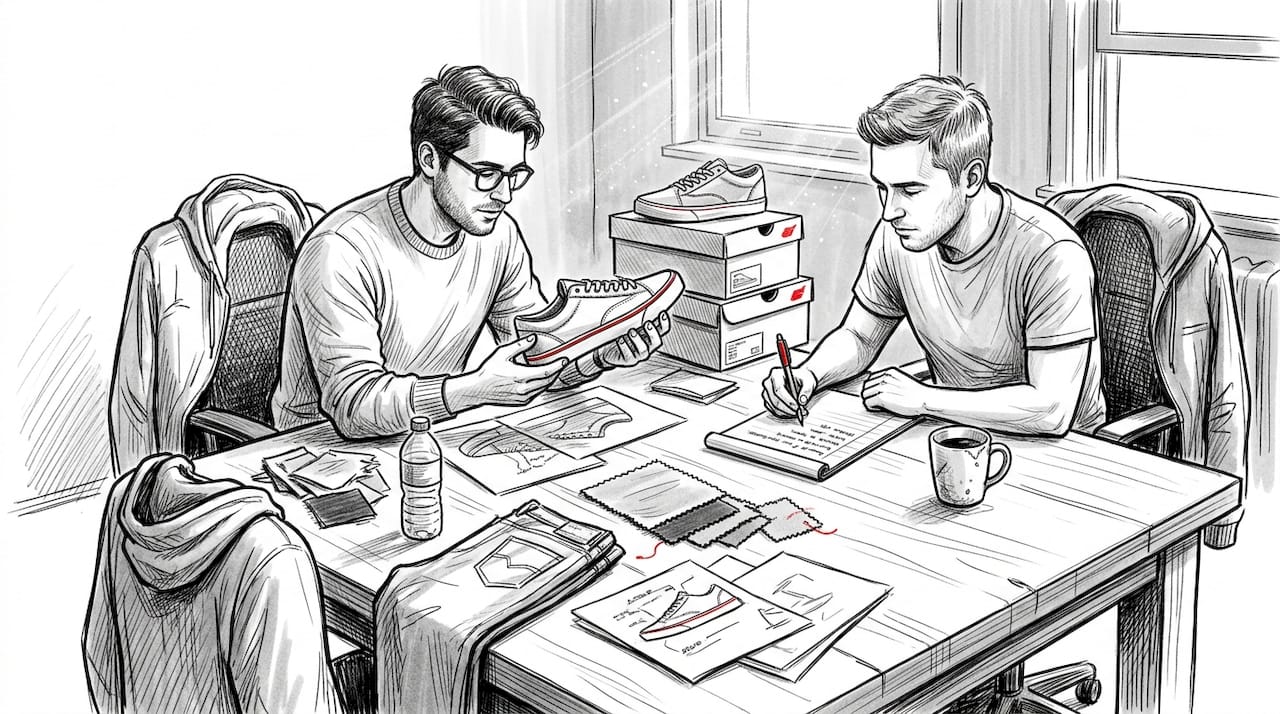
Collaborations like Nike x Supreme and Adidas x BAPE set the template for how two brands from different lanes could create something that neither could produce alone. These weren’t just product launches. They were cultural events. A Supreme box logo on a Nike Dunk told a story about who you were and what you valued.
The influence runs both directions. A hyped sneaker release can immediately shift what streetwear brands put into their next collection. Color palettes, silhouettes, and even fabric choices often follow what’s happening on the sneaker side. The reverse is also true: when a streetwear brand drops a collection that goes viral, sneaker brands take note and adjust upcoming collaborations accordingly.
Here’s how a sneaker typically sets off a broader clothing trend:
- A limited sneaker drops with a specific colorway or material, generating immediate demand
- Influencers and early adopters style the shoe, creating visual content that spreads fast
- Streetwear brands pick up on the dominant color or aesthetic and incorporate it into upcoming releases
- Mainstream retailers follow, stocking similar looks to meet growing consumer demand
- The cycle resets as a new drop or collaboration redefines the next wave
If you want to stay ahead of this cycle, tracking 2026 sneaker hype early gives you a real edge on what streetwear will look like next.
| Collaboration | Year | Impact |
|---|---|---|
| Nike x Supreme Dunk Low | 2002 | Defined skate-meets-luxury aesthetic |
| Adidas x BAPE Superstar | 2003 | Merged Japanese street culture with global sportswear |
| Jordan x Travis Scott | 2019 | Reversed swoosh became a streetwear icon |
| Nike x Off-White “The Ten” | 2017 | Deconstructed design changed sneaker aesthetics permanently |
Pro Tip: Watch which designers or artists a major sneaker brand quietly follows on social media. Brand accounts rarely follow randomly. When Nike or Adidas starts engaging with a niche artist or label, a collaboration announcement often follows within six to twelve months.
Culture and community: The social side of sneaker-streetwear fusion
Style and product alone don’t explain the passion. Community is the secret ingredient.
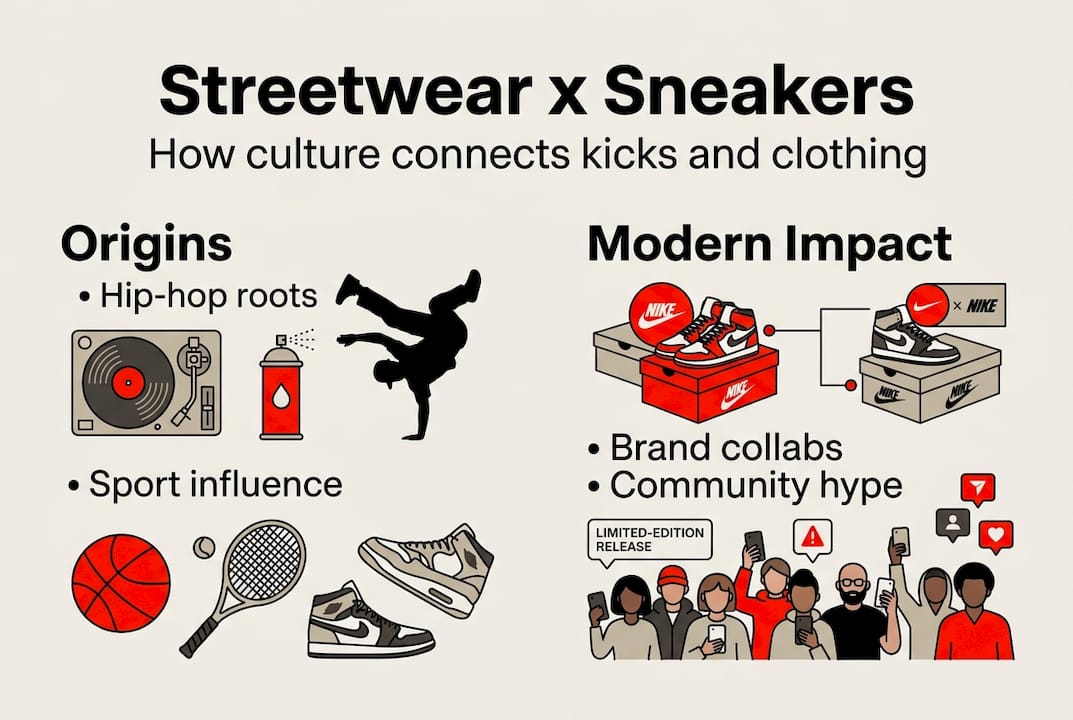
Social media has amplified sneaker drops, street style, and collectibility in ways that were impossible before Instagram and TikTok. A drop that once created a line around a single block now generates global conversation in real time. Millions of posts, stories, and videos go live within hours of a major release. That reach turns local culture into worldwide movements almost instantly.
The numbers back this up. Major sneaker drops regularly generate hundreds of thousands of social shares within 24 hours, with some releases like Air Jordan retros or Yeezy restocks trending nationally across multiple platforms simultaneously.
Community activities that fuel the fusion include:
- Sneaker meetups and conventions where collectors trade, display, and discuss their collections in person
- Online forums and Discord servers dedicated to leak alerts, authentication help, and style discussion
- Sneaker raffles and draw events that create shared anticipation and equal-access competition
- Style forums and Reddit threads where users post fits and debate which shoes work with which streetwear pieces
- Instagram and TikTok pages run by enthusiasts who document drops, unboxings, and outfit builds
Celebrities and influencers add another layer. When a musician or athlete is spotted in a specific shoe paired with a specific brand, that combination can sell out within hours. It’s not advertising in the traditional sense. It’s social proof at scale. Understanding how sneaker raffles work is now a practical skill for anyone serious about copping limited releases.
Pro Tip: Join at least two or three active sneaker or streetwear Discord communities. Members often share early links, restock alerts, and raffle entry windows hours before they hit mainstream channels.
Retail and the business of hype: How brands fuel the intersection
Beyond community, brands play a deliberate role in fueling the connection.
Exclusive drops and limited runs boost demand in both markets by engineering scarcity. This isn’t accidental. Brands have turned the mechanics of supply and demand into a marketing strategy that keeps consumers coming back, refreshing pages, and entering raffles.
Here’s the typical playbook brands use to build anticipation:
- Tease the product through vague social posts, blurred images, or influencer previews weeks before launch
- Confirm the drop date with limited details, forcing fans to stay engaged for more information
- Announce the retail method, whether it’s a raffle, first-come-first-served, or app-exclusive access
- Release in limited quantities to ensure sellouts, which drives resale market activity immediately
- Follow up with coverage of the drop’s success, reinforcing the product’s cultural status
The resale market is now a major part of the ecosystem:
- Platforms like StockX and GOAT have turned sneaker resale into a structured marketplace
- Some limited releases resell for three to ten times their retail price within days
- Streetwear pieces from brands like Supreme or Palace follow similar resale patterns
- Resale value has become a metric consumers use to judge a product’s cultural credibility
“The sneaker market is no longer just about footwear. It’s a financial instrument, a fashion statement, and a community badge all at once.” — Business of Fashion
For practical guidance on navigating this landscape, solid sneaker shopping tips help you avoid overpaying and spot authentic product fast.
The risk of over-relying on hype is real. When every brand uses the same scarcity playbook, consumers start to notice. Fatigue sets in. Brands that build genuine cultural relevance beyond the drop cycle tend to last. Those that only chase hype often see their credibility erode quickly.
Perspective: Most people overlook the deeper meaning of sneaker-streetwear synergy
Mainstream coverage focuses heavily on resale prices, brand revenue, and celebrity endorsements. That framing is incomplete.
For the 18 to 30 crowd, sneakers and streetwear are not primarily financial assets or marketing products. They are tools for self-creation. The specific shoe you wear, the brand you rep, the colorway you choose. These are decisions that communicate who you are, where you come from, and where you’re headed. That’s not hype. That’s identity work.
Grassroots innovation drives this culture more than any marketing budget. The most influential looks often start in a neighborhood, a local skate crew, or a regional music scene before brands ever catch on. Brands follow culture. They rarely lead it.
The real power of sneaker-streetwear fusion is that it gives young people a creative language that belongs to them. It resists being fully absorbed by mainstream fashion because the community constantly evolves. Staying current on new sneaker trends is part of that ongoing conversation, but the deeper investment is in understanding what those trends actually represent.
Shop the latest at the streetwear-sneaker crossroads
Ready to join the movement? Flex Store carries a curated selection of authentic sneakers and streetwear built for collectors and style-forward buyers who know what they’re looking for.
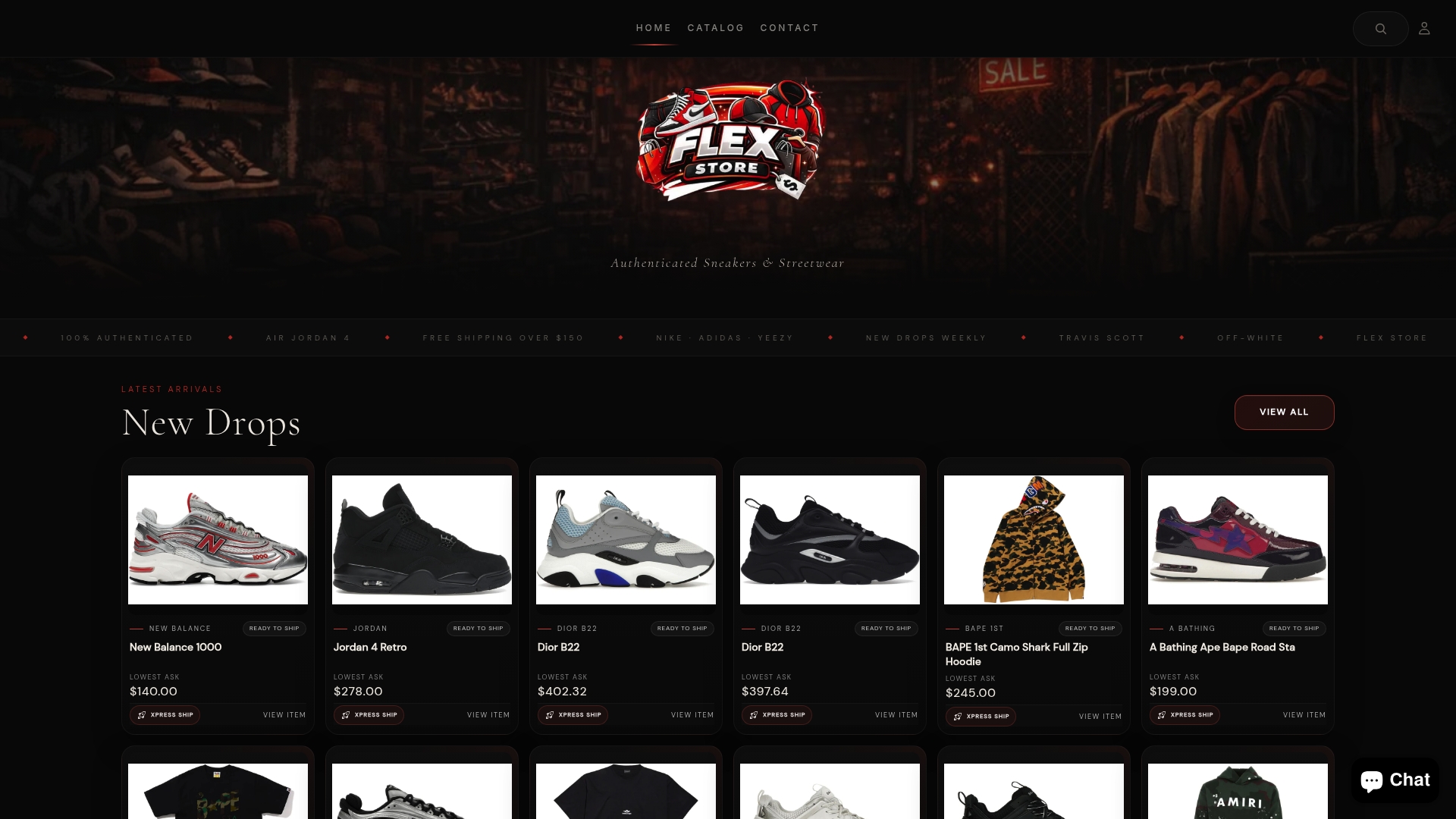
Browse new arrivals that sit right at the intersection of kicks and clothing. The Amiri Stars Low Sneaker delivers a clean, collectible silhouette that pairs naturally with premium streetwear. Stack the look with the AMIRI Leather Staggered Logo Jeans for a complete fit that speaks to both sides of the culture. Authentic product. Ready to ship. No guesswork.
Frequently asked questions
Why do sneakers hold such importance in streetwear?
Sneakers function as a status symbol and centerpiece of self-expression, shaping both the visual identity and core values of streetwear culture from its earliest days.
How do collaborations influence sneaker and streetwear trends?
Collaborations escalate hype and collectibility by merging brand audiences, setting new aesthetic standards, and making limited drops highly sought after across both industries.
How can I keep up with the latest sneaker and streetwear releases?
Follow brand channels, join active sneakerhead communities, and monitor retailers with exclusive drops. Social media and communities amplify release information faster than any single source.
Why are exclusive drops and raffles so common?
Exclusivity drives demand in both sneakers and streetwear by making products feel rare and desirable, which increases both consumer interest and aftermarket resale value.
Recommended
- Hyped sneakers 2026: top examples and key insights – Flex Store
- Sneaker raffles explained: How to score exclusive kicks fairly – Flex Store
- Step-by-step sneaker shopping guide to authentic kicks – Flex Store
- Amiri Stars Low Sneaker – Flex Store
- How to create unique streetwear looks with Arizona flair – Arizona Swag